Limitless
Limitless
— Jim Kwik
Practical ideas on upgrading your brain, memory, learning, motivation, and the daily habits that shape how you think.
Your Brain & How It Works
Most people underestimate what their brain is capable of — and misunderstand how it works. The brain isn’t a hard drive that fills up. It’s a muscle. Use it more and it grows stronger, not fuller.
“There’s research that says our brains are more like a muscle, rather than a hard drive that fills up. The more you use it, the stronger it gets, and the more it can store.”
“The brain takes up only 2 percent of space by weight, and yet accounts for 20 percent of energy consumption, more than any other organ.”
Stretching Your Mind
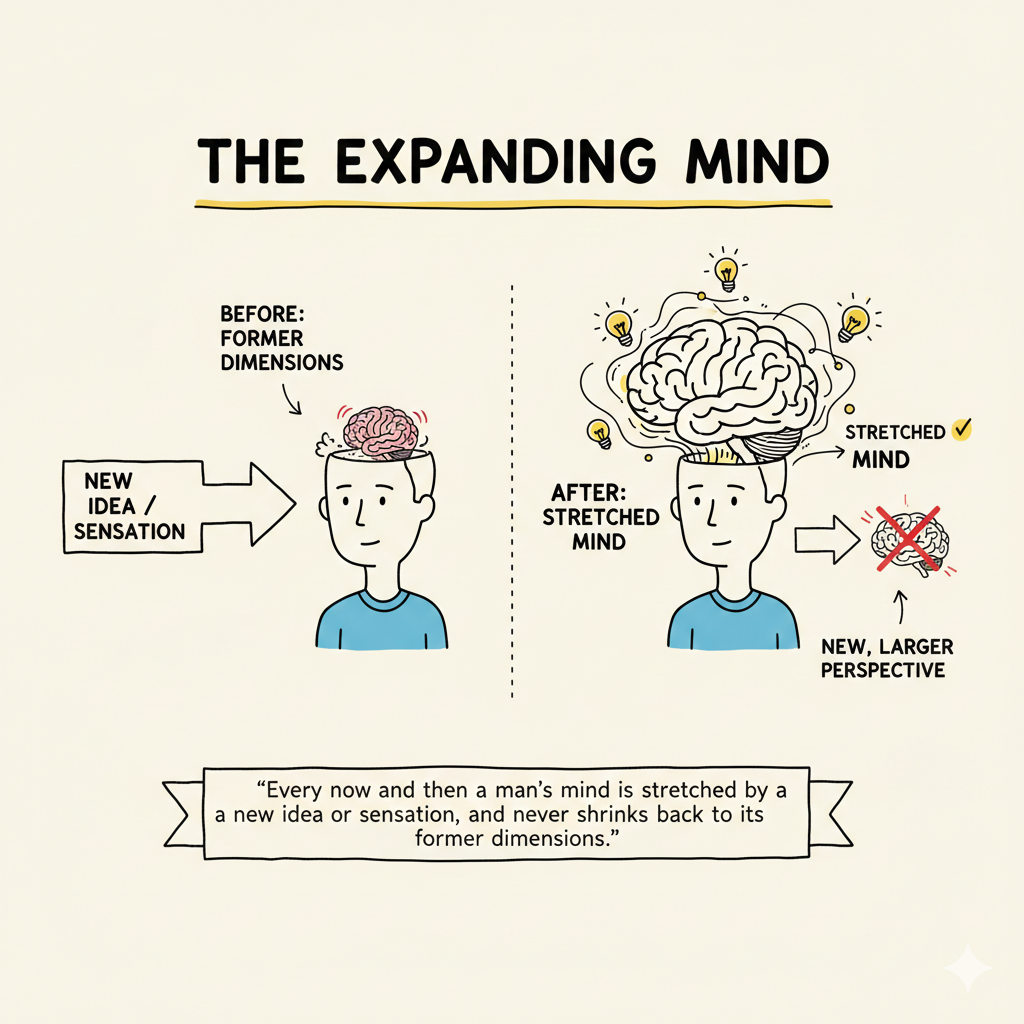
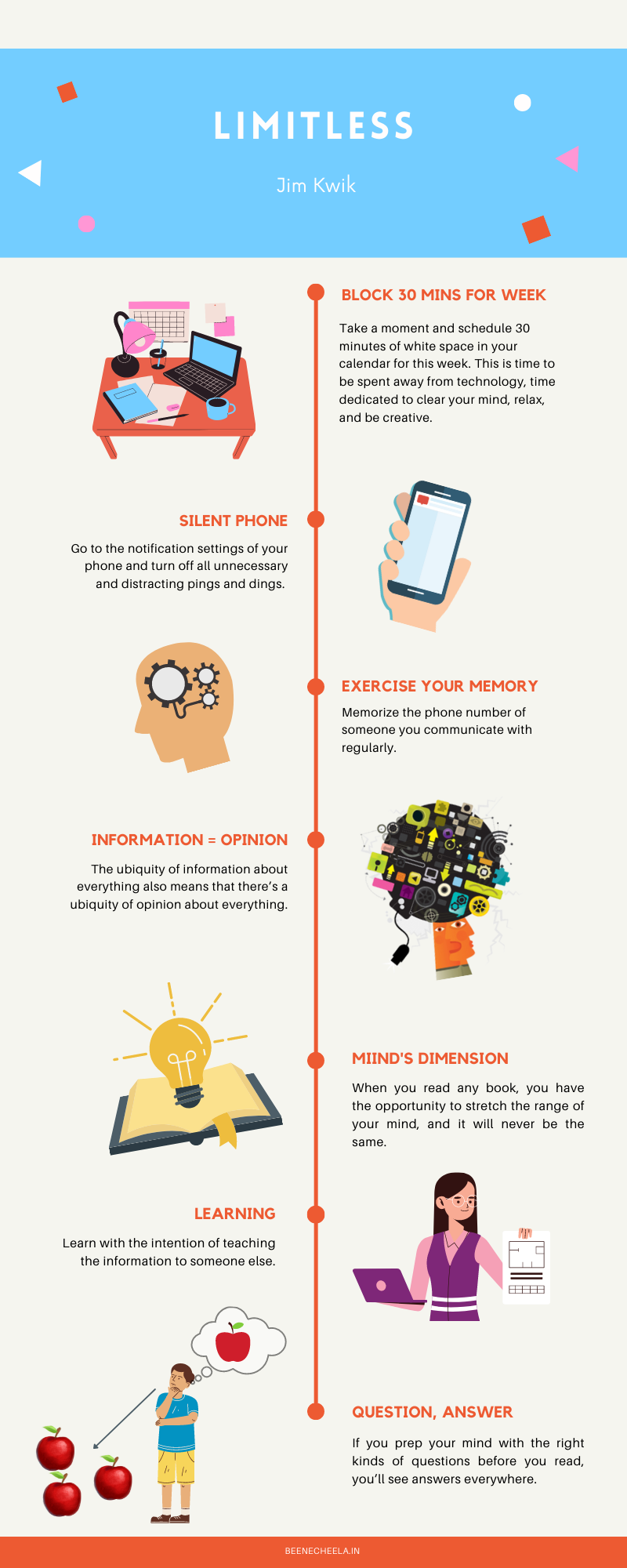
“Every now and then a man’s mind is stretched by a new idea or sensation, and never shrinks back to its former dimensions.” When you read any book, you have the opportunity to stretch the range of your mind, and it will never be the same.
Memory & Learning
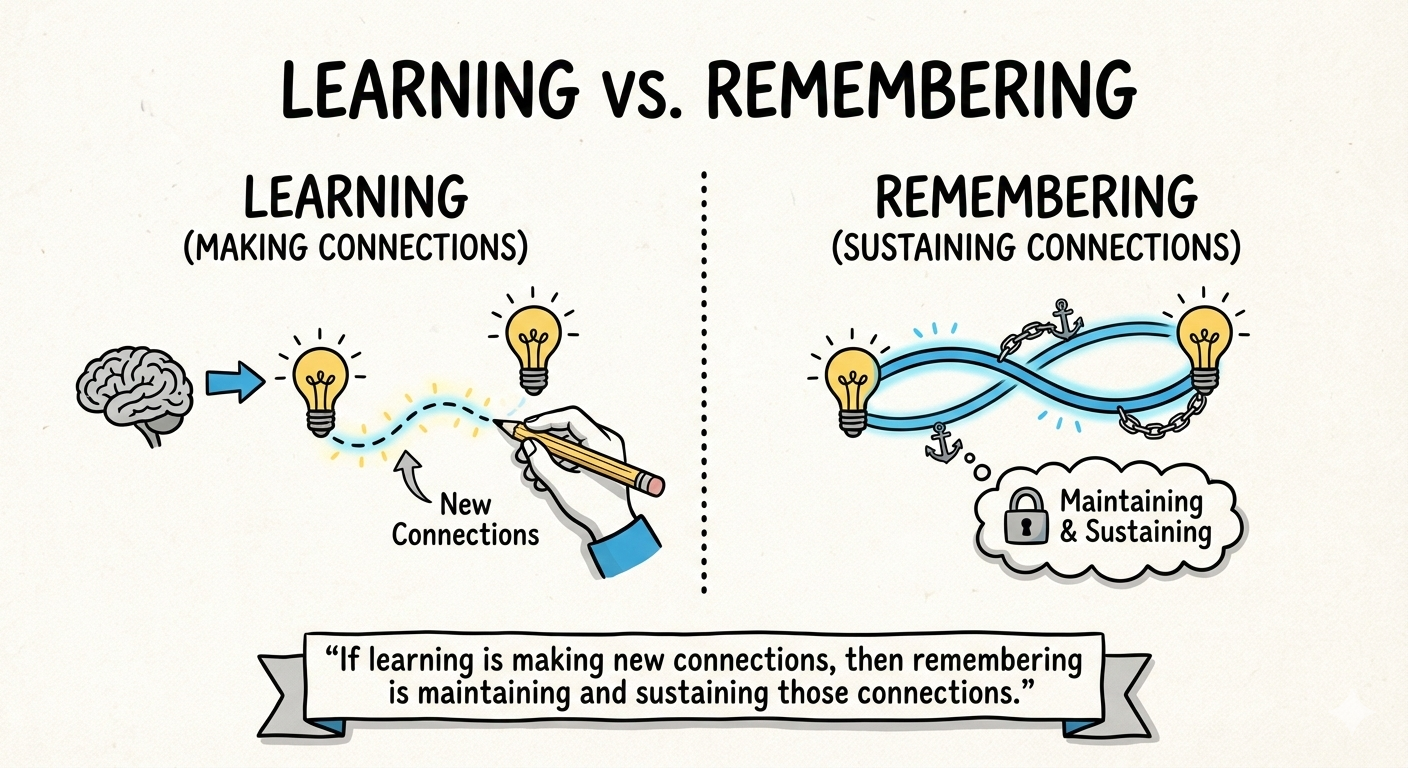
Learning isn’t just about taking in new information — it’s about building and maintaining connections. And the single most powerful upgrade to how you learn is changing the reason you’re learning in the first place.
“If learning is making new connections, then remembering is maintaining and sustaining those connections.”
“Learn with the intention of teaching the information to someone else.”
“If you prep your mind with the right kinds of questions before you read, you’ll see answers everywhere.”
The Three Questions to Ask Before Learning Anything
2. Why must I use this?
3. When will I use this?
Exercise Your Memory
Information & Opinion Overload
We live in an age of unlimited information — which also means unlimited opinion. The danger is not just that we consume too much, but that we quietly outsource our thinking to a handful of trusted sources.
“The ubiquity of information about everything also means that there’s a ubiquity of opinion about everything.”
“We tend to identify a handful of sources with which we align and then give those sources extreme influence over our thinking and decision-making.”
Reclaiming Your Attention
Goals, Purpose & Motivation
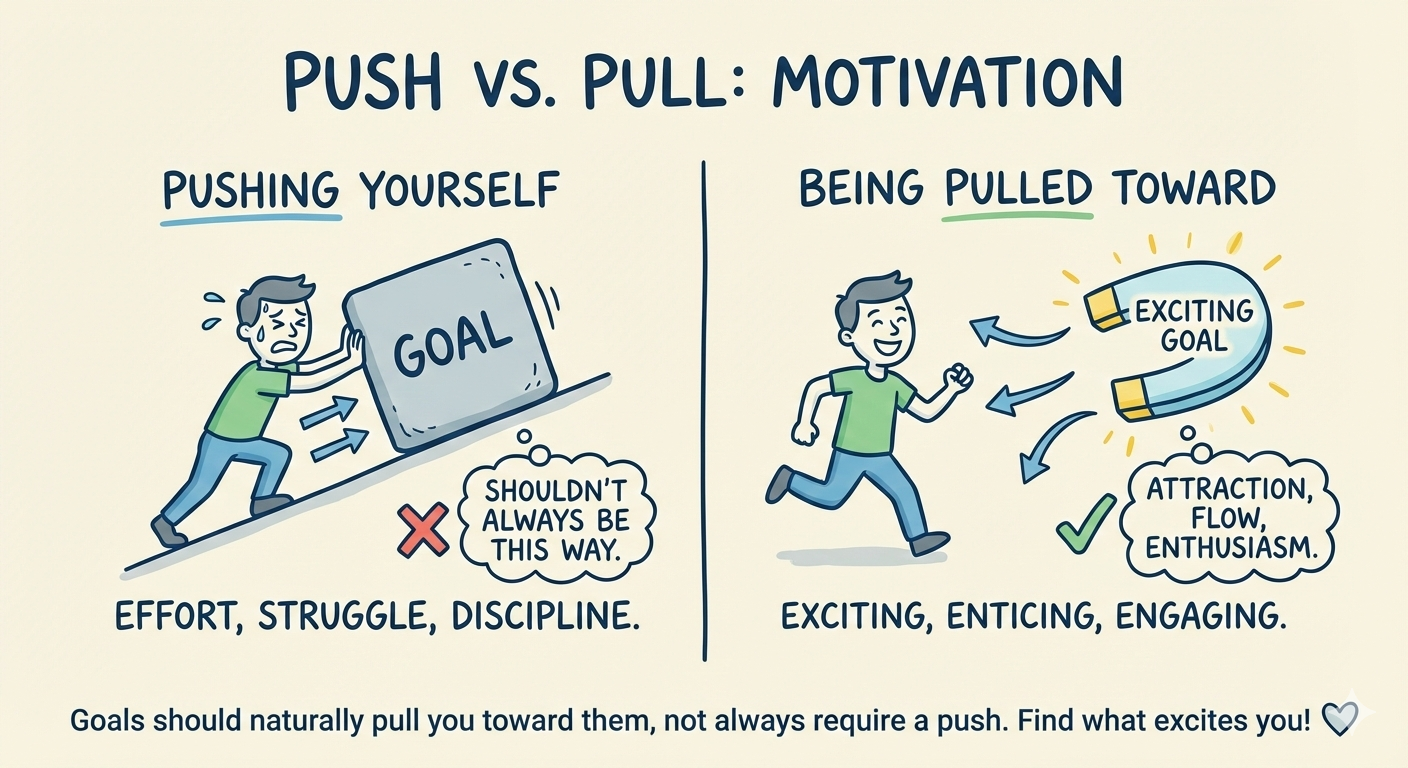
There’s a meaningful difference between a goal and a purpose — and getting that distinction right changes how motivation feels entirely. The right goals don’t need to be pushed toward. They pull.
“A goal is the point one wishes to achieve. A purpose is the reason one aims at to achieve a goal.”
“You shouldn’t always have to push yourself to work on your goals. They should be so exciting, enticing, and engaging that you’re pulled toward them.”
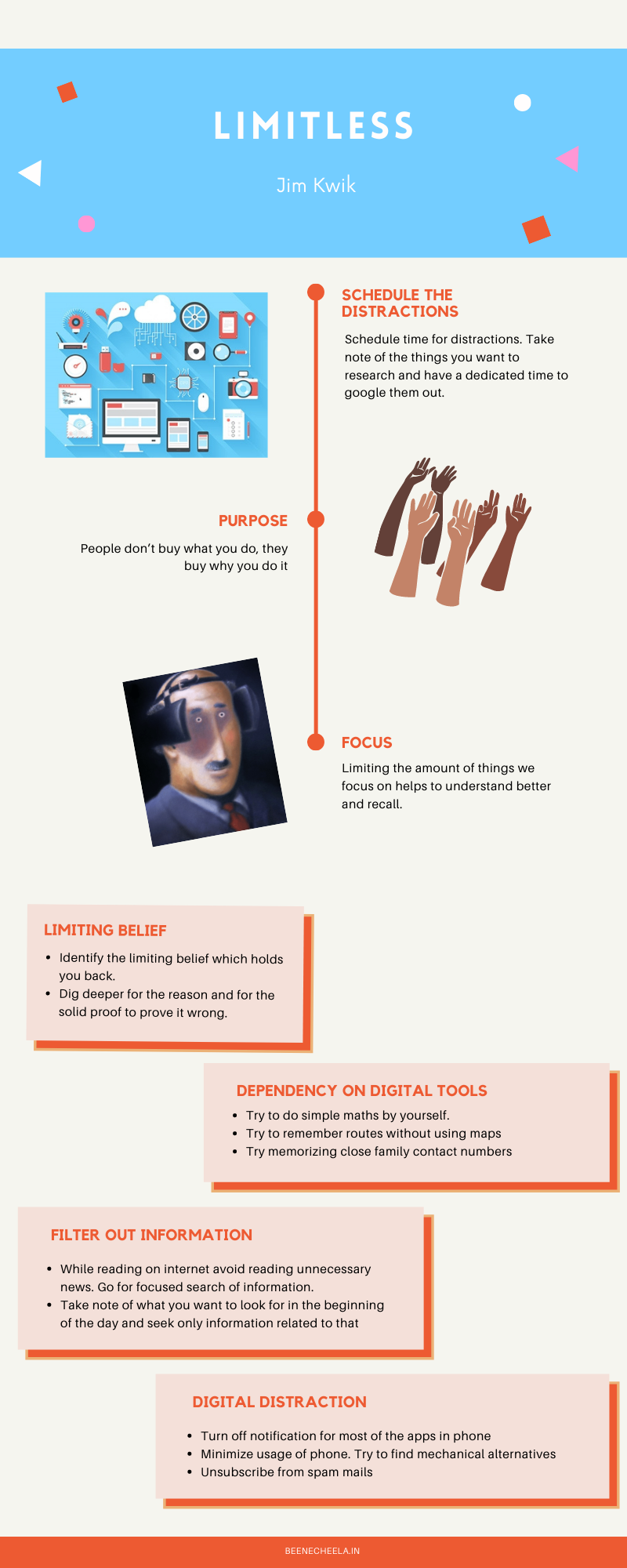
“People don’t buy what you do, they buy why you do it — so if you don’t know why you do what you do, how will anyone else?”
Identity, Self-Talk & The Inner Critic
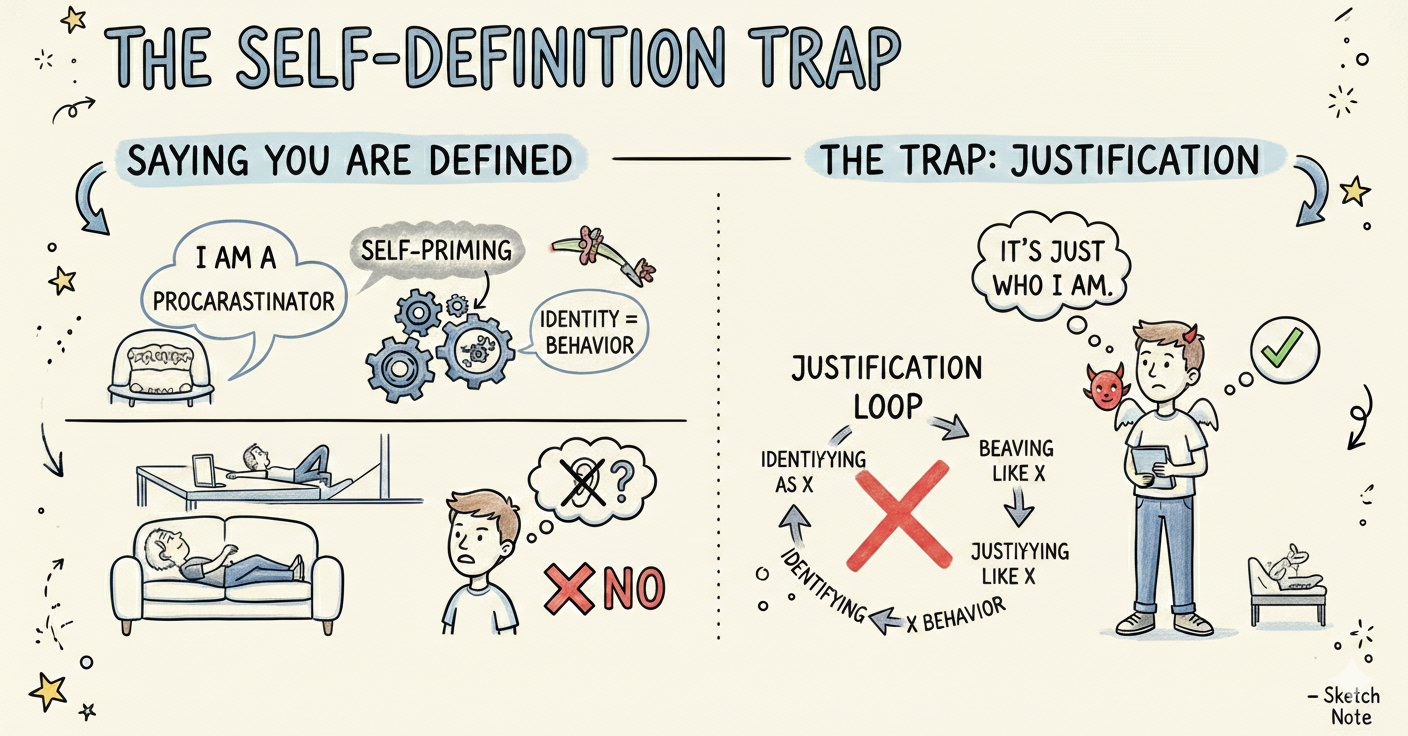
The words we use to describe ourselves are more powerful than they sound. They prime our behaviour, shape our identity, and determine which actions feel natural and which feel like a struggle.
“When you say you are defined by a particular action, you are essentially priming yourself to identify with and justify a certain behaviour.”
“Re imagine your inner critic. Change the attributes of this voice in your head so you begin to give it less credence.”
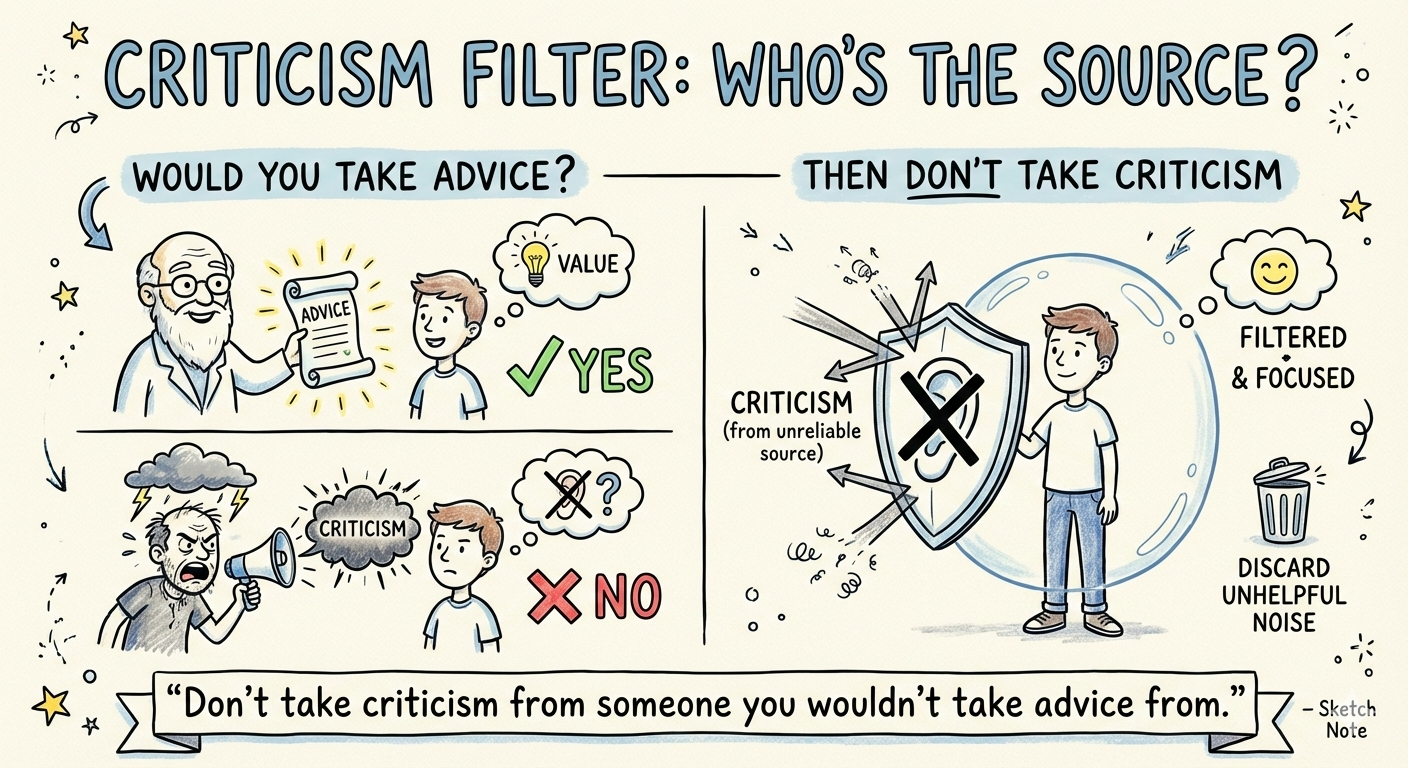
“Don’t take criticism from someone you wouldn’t take advice from.”
“Unfinished tasks create tension in your brain. If you layer guilt and shame on top of this, you’re making it even harder to get a task done, and you’re making yourself miserable.”
Daily Brain Habits
Peak mental performance isn’t built in grand gestures. It’s built in the small daily rituals — how you start your morning, how you breathe, how you handle stress, and even how you schedule distraction.
Morning Routine
- Check in on your dreams before you get out of bed — there’s so much gold to mine here.
- Get yourself hydrated and oxygenated.
- Nourish yourself with brain foods.
- Set a clear plan for the day.
The 4-7-8 Breathing Method
Two Counterintuitive Productivity Tips
“Do something that has been causing you stress — sometimes the act of starting is the only thing standing between you and relief.”
“Schedule time for distractions — if distraction is inevitable, owning it on your terms is better than surrendering to it randomly.”


About The Author

